
East & West, 1800 – 1880
Despite the growth of the canals and the numerous passenger coaches plying the main highways of England, the country in the early 1800s was still very parochial in outlook.
The first real railway – the Stockton & Darlington – was built to carry coal from inland mines, to the nearest navigable river, with the idea of carrying passengers being very much as an afterthought.
The first real passenger railway opened five years later, in 1830, connecting Liverpool with Manchester and almost immediately setting off a railway building boom that was to culminate in the “Railway Mania” of the 1840s, with its inherent rogues, villains and bankruptcies.
In the East
The first Railway in Norfolk was the Norwich and Yarmouth line in 1844.
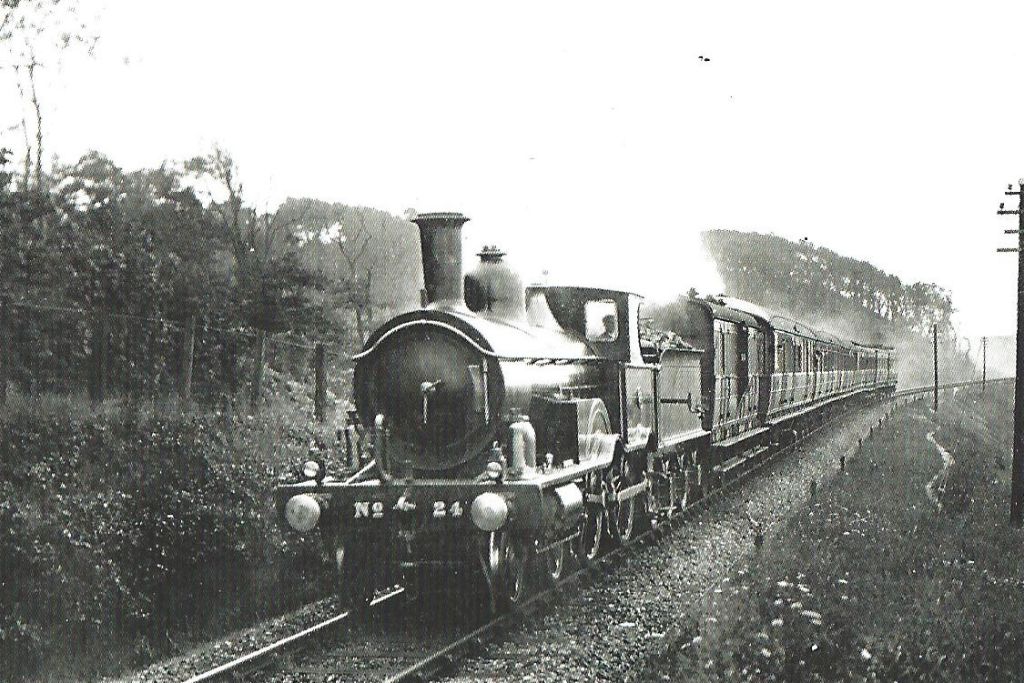
From then on, railways were built across Norfolk in most directions until the newly formed Great Eastern Railway struck north from Norwich and finally reached Cromer in 1877. The year before, two railways had been granted Parliamentary permission to construct their lines – The Lynn & Fakenham and the Great Yarmouth & Stalham Light Railway (the latter as a light railway in an attempt to stave off a takeover by the powerful Great Eastern.). By 1880 not only was construction progressing well, but the GY&S had become the Yarmouth & North Norfolk, with an extension northwards to North Walsham. William Marriott had started as an unpaid assistant civil engineer on the GY&S and had progressed so well that he was ready for a starring role in the 1880s.
The M&GN Society works to preserve, display and operate a wide range of historical artefacts. The Society is the supporting charity of, and major shareholder in, the North Norfolk Railway and is East Anglia’s biggest railway charity.
In the West
Apart from the early amalgamations that formed the Midland and the Great Eastern railways, railway building remained a local thing, with the rich merchants of two neighbouring towns seeing the possibility of a linking railway being a profitable undertaking.
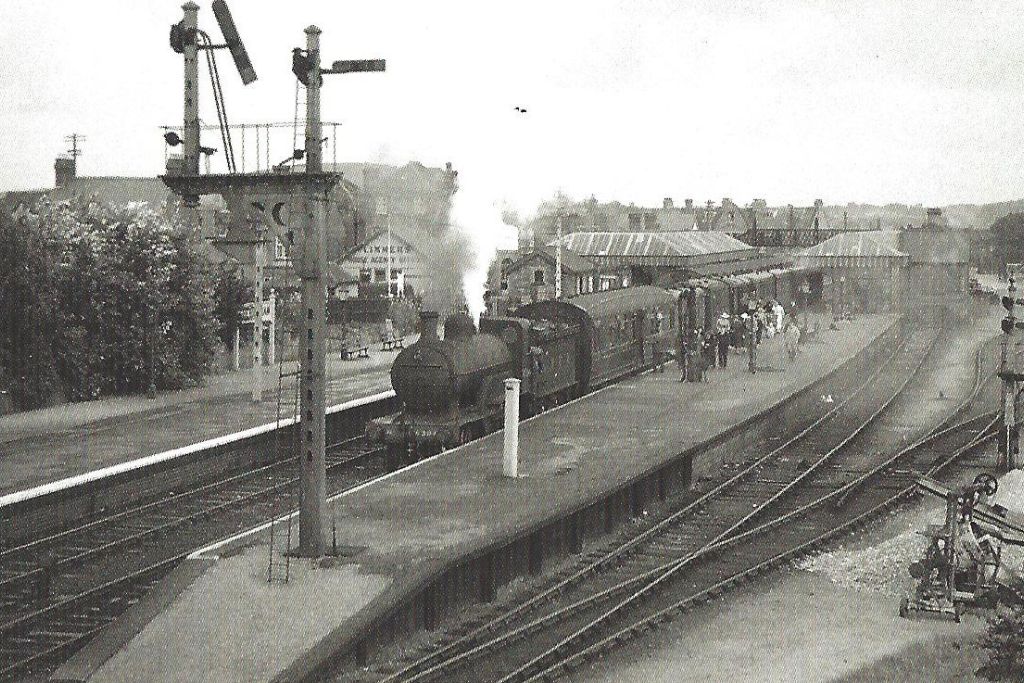
The Norwich and Spalding Railway came about in 1853 to connect the Great Northern Railway at Spalding with Sutton Bridge and Wisbech, that is, to outlet ports for fenland products. Similarly, the ‘Lynn and Sutton’ (Bridge) and ‘Spalding and Bourn’ (the ‘e’ was added later) received their acts of parliament at about this time.
By 1866 it had become apparent that these three railways would be more profitably run as a single concern and the ‘Midlands & Eastern’ was born. Within a year, it was confirmed that the Midland Railway and the Great Northern would jointly run the ‘M&E’.



 This website uses cookies. We only use cookies to analyse our traffic. We do not share information about your use of our site with any external companies. You consent to our cookies if you continue to use our website.